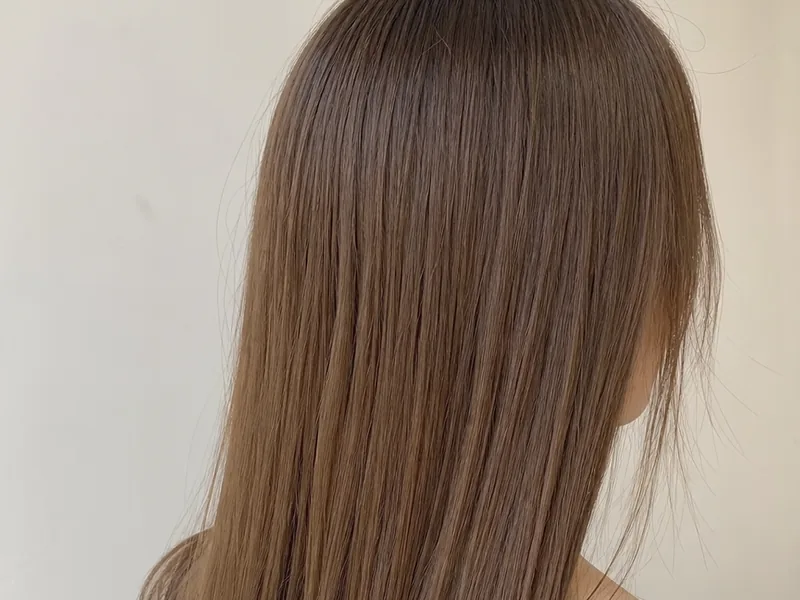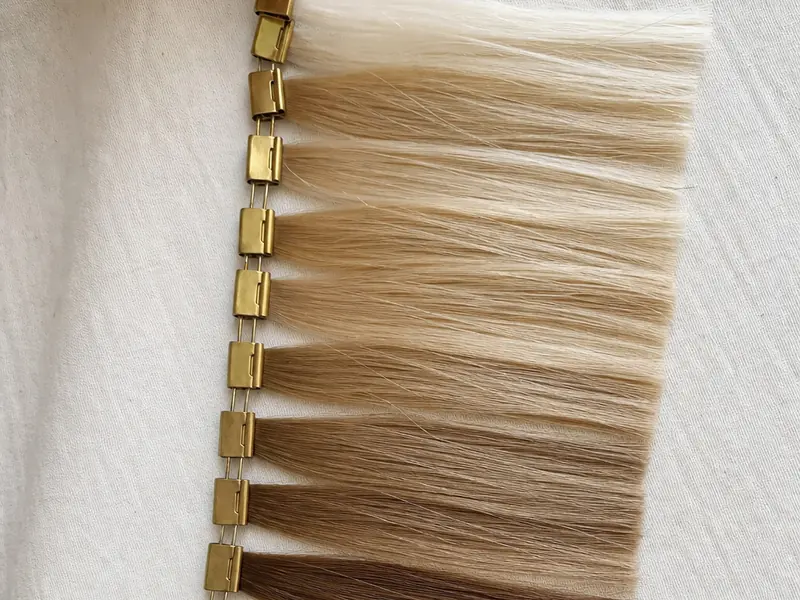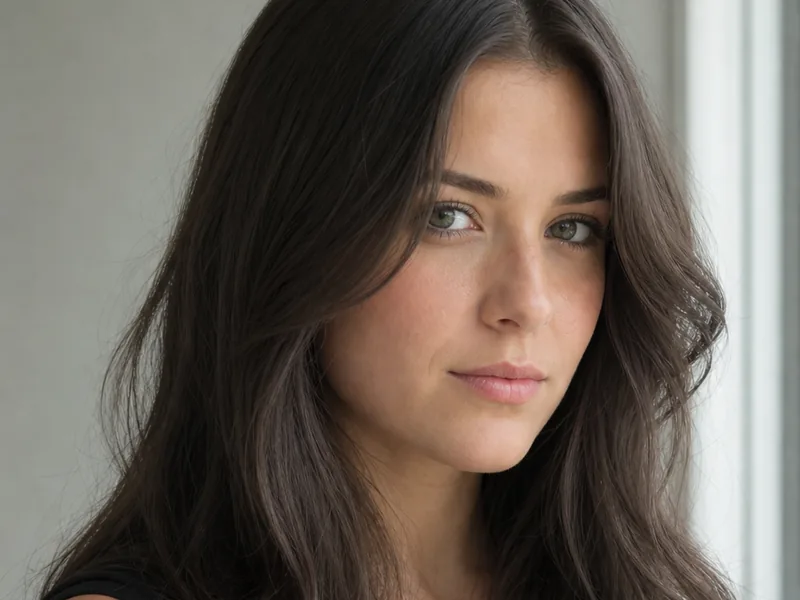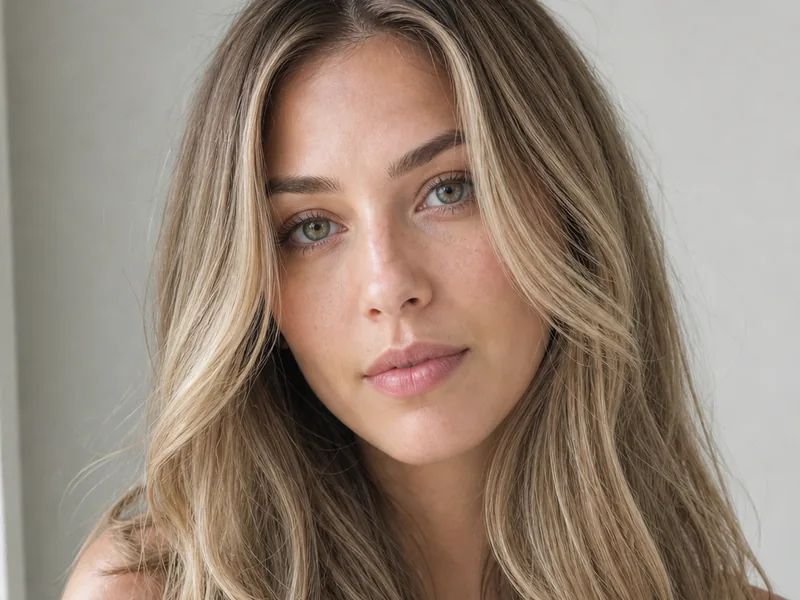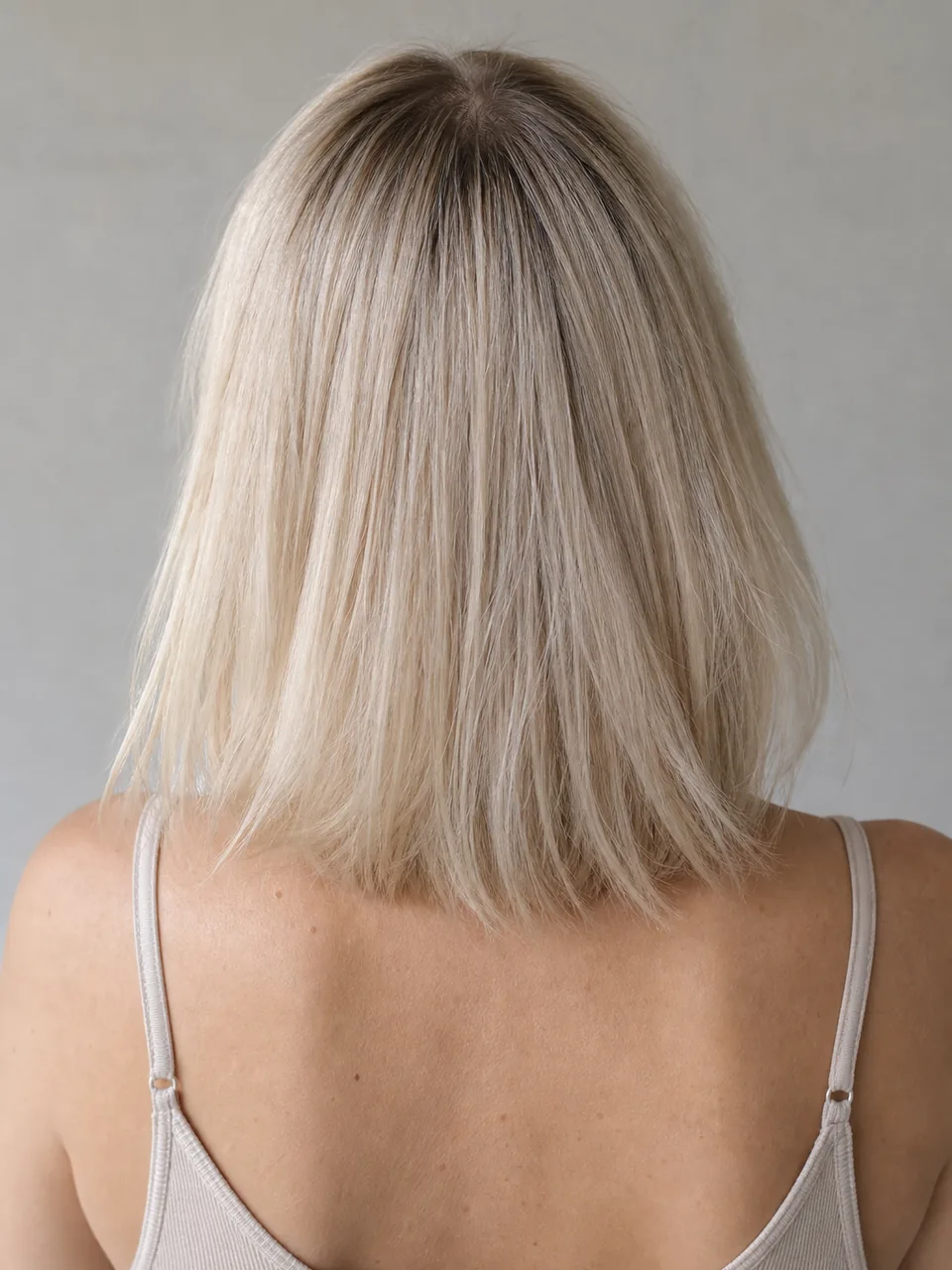
Short version: Hair toner is a sheer, deposit-only color, usually a demi-permanent gloss mixed with a low-volume developer, that cancels the warmth lightened hair is left with: violet for pale yellow at levels 9-10, blue-violet for brass at levels 7-8, blue for orange at levels 5-7, green-based for red at levels 3-4. It cannot lighten, it works only once hair has been lifted close to the target level, and it fades in about 4-8 weeks.
Which Toner to Use: A Chart by Level and Unwanted Tone
Choose a toner by two readings at once: the level the hair has reached and the warmth still showing at that level. The color wheel decides the toner's color family, but the level decides whether that family can finish the job. Read both on dry hair in daylight, at the brassiest section, before mixing anything.
| Hair is at | Unwanted tone you see | Toner family | Realistic result | If it goes wrong |
|---|---|---|---|---|
| Level 10 lightest blonde | Faint pale yellow | Violet or pearl (violet with a touch of blue), at level 10 | Level 10 white-platinum or silver | Too long or too deep reads lilac or dove gray |
| Level 9 very light blonde | Pale yellow | Violet, or violet-beige for a softer finish, at level 9-10 | Level 9 icy or pearl blonde | Over-toned ends turn lavender first |
| Level 8 light blonde | Yellow with a gold cast | Violet-ash or beige-violet at level 8-9 | Level 8 cool beige or neutral blonde | A level 7 toner here darkens the blonde half a level or more |
| Level 7 medium blonde | Yellow-orange (brass) | Blue-violet at level 7-8 | Level 7 neutral or soft ash medium blonde | Pure violet barely moves it; pure blue can read slate |
| Level 6 dark blonde | Orange | Blue or blue-ash at level 6-7 | Level 6 neutral bronde or ash dark blonde | Never reaches icy blonde; it needs more lift first |
| Level 5 light brown | Red-orange | Blue-green (ash brown) at level 5 | Level 5 neutral or cool light brown | Too much blue on red goes murky purple-brown |
| Levels 3-4 dark to medium brown | Red | Green-based (matte) brown at the same level | Level 3-4 neutral or cool brown with less red glint | Over-matte reads flat, khaki or olive |
| Lightened levels 8-10 | Green or gray cast (over-ashing, pool water) | Gold or red-gold at the same level | Level 8-10 warm or neutral blonde | Too much gold reads brassy again |
| Any lightened level | Flat, chalky or "too ash" | Gold, beige or copper-gold at the same level | Same level with warmth and shine put back | Stop at a hint; warmth builds fast on porous ends |
Level comes first because the same orange means different things on different hair. On a level 6, a blue toner neutralizes it into a dark blonde; wanting a level 9 icy blonde from that hair is a lightening problem, not a toning one.
Violet Toners Answer Yellow
Violet toners work on hair that has reached level 8-10 and shows yellow, not orange. Pearl and silver versions add a little blue for a whiter level 10.
Blue Toners Answer Orange
Blue and blue-ash toners handle the orange stage at levels 5-7, the brass most brunettes see after highlights. Blended with violet, they cover levels 7-8, too orange for violet alone and too yellow for straight blue.
Green Toners Answer Red
Green-based, or matte, toners cancel red at levels 3-5, mostly after a small lift on brunette hair that came out redder than planned.
Gold Toners Put Warmth Back
Gold and beige toners warm a blonde that turned green, gray or chalky, or take a level 8 to golden or honey blonde on purpose.
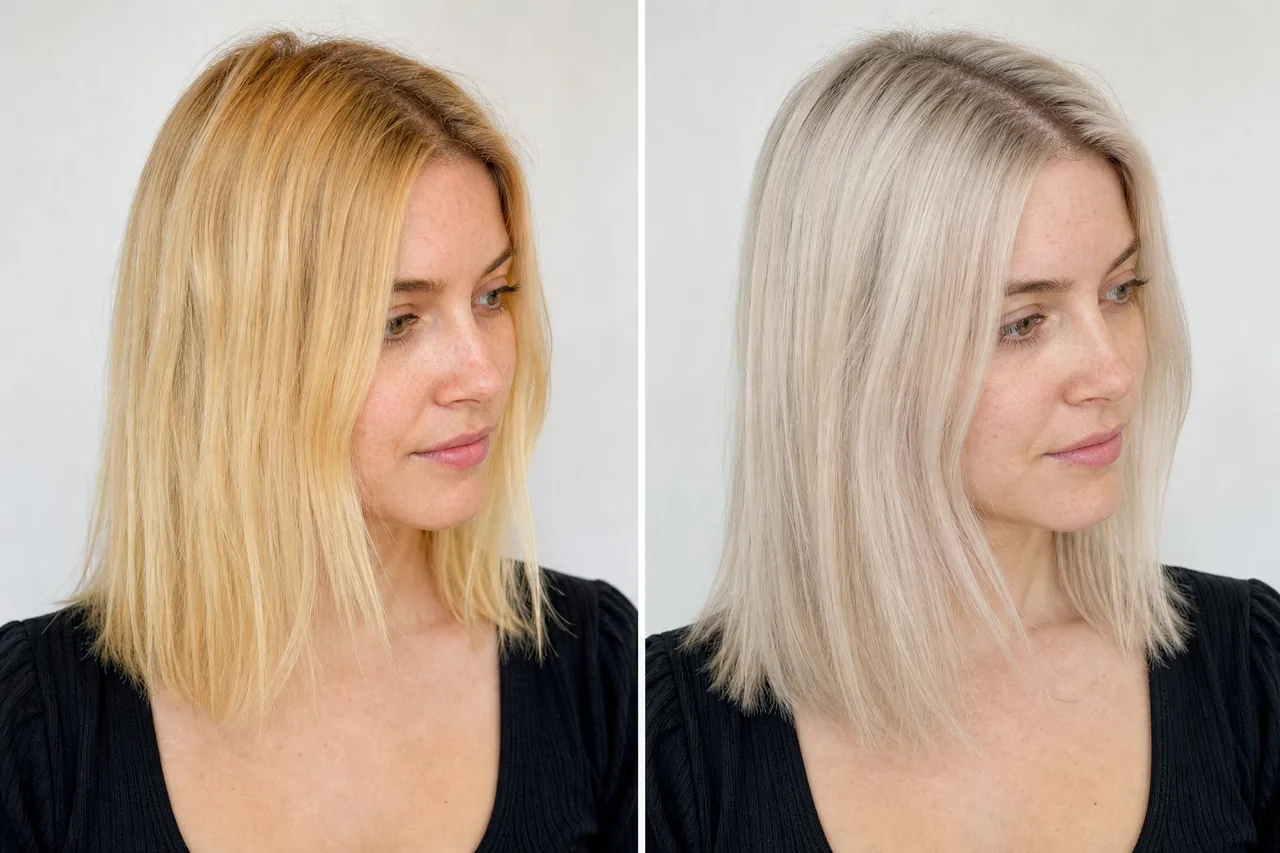
Salon note: Lifted hair is rarely one level from root to end. Colorists often read the root zone, mid-lengths and ends separately and mix two toners, for example a blue-violet for level 7-8 brass at the root and a softer violet-beige for level 9 ends, so the finished blonde looks like one shade.
What Hair Toner Is and How It Works
Hair toner is a translucent, deposit-only color, most often a demi-permanent gloss, that tints hair without lightening it. Salon toners are mixed with a low-volume developer, usually around 5 to 10 volume, which opens the cuticle just enough for small dye molecules to settle into the outer layers.
Because toner is translucent, the result is the toner and the hair underneath combined. Violet over pale yellow cancels to near-white; over heavy warmth it only dulls and darkens. That is the color wheel from the hair color chart in practice: toner works against a modest amount of its opposite, not a lot of it.
Toners also carry a level of their own. A level 7 toner on level 9 hair deposits depth as well as tone, so the blonde comes out darker. Most colorists pick a toner at the hair's current level or one lighter, and go deeper only when depth is the point.
Toner Cannot Make Hair Lighter
Toner holds no lightener and its developer is too weak to lift natural or artificial pigment by any visible amount. Anything it deposits makes hair very slightly deeper, not lighter, which is why yellow can look "whiter" after toning while the level stays the same. Brightening comes only from lightener or high-lift color, and lightener breaks down protein in the hair along with the pigment: bleached hair in one study showed oxidative damage to cuticle and cortex proteins beyond the melanin loss. That cost is why the decision between "tone it" and "lift it more" matters.
Pre-Lightened Hair vs Virgin Hair
On pre-lightened hair, whether bleached, highlighted or balayaged, toner has a pale, open canvas and makes a clear change. On virgin hair it has the natural pigment to compete with, so the effect is a shift in reflect and shine rather than a new shade. A level 4 brunette can take a green-based gloss to soften red glints, and a natural level 7 medium blonde can be cooled slightly, but neither becomes lighter or turns ash blonde from toner alone.
Toner vs Purple Shampoo vs Gloss
Toner, gloss and purple or blue shampoo all deposit tone, but they differ in strength, lasting time and the job they can do. A salon toner sets the shade, a gloss refreshes shine and tone, and toning shampoo slows the drift back to warm between visits. The terms overlap: many salons call a demi toner a gloss.
| Product type | How it deposits | Lasts | Best for | What it can't do |
|---|---|---|---|---|
| Demi-permanent toner | Dye mixed with 5-10 volume developer, processed 5-20 minutes | About 4-8 weeks | Setting the final tone right after lightening; correcting brass at a known level | Lift, or cancel more warmth than the hair's level allows |
| Gloss or glaze (tinted or clear) | Often an acidic demi formula; same family, softer use | About 4-8 weeks, clear gloss mainly shine | Refreshing faded toner, adding shine, softening a brunette's red | Change the level or correct strong orange |
| Purple shampoo or conditioner | Violet pigment left on the surface during washing | Until the next plain wash | Slowing yellow on levels 9-10, and on white or silver hair that has picked up a yellow cast | Touch orange, or replace a toner on brassy hair |
| Blue shampoo or conditioner | Blue pigment left on the surface | Until the next plain wash | Slowing orange on levels 5-7, including lightened brunette | Cool pale blonde without going steely, or remove red |
| Color-depositing mask | Concentrated direct pigment, no developer | A few washes | A stronger at-home top-up between salon toners | Lift, or stay even on uneven porosity |
Use purple or blue shampoo once or twice a week, not every wash. Daily use stacks pigment on the most porous lengths and leaves level 9-10 blonde lilac or flat gray.
When to Use Toner
Use toner when hair has been lightened to within about one level of the target and the shade is wrong only in tone. If the color is the right depth but too yellow, too orange or too red, toner is the tool. If it is still too dark, no toner will fix it.
- Right after lightening. Bleached hair is never cool on its own, so toning is the last step of almost every blonde service, often in the same appointment.
- When highlights or balayage turn brassy. Expect it 4-8 weeks after the last toner, sooner with frequent washing, hot water, chlorine or sun.
- To steer a brunette's reflect. A green- or blue-based gloss mutes red or orange on level 3-6 brown; a gold one warms a brown that went flat.
- When over-toned or ashy hair needs warmth. A gold or beige toner rescues a level 8-10 blonde that turned gray, green or chalky.
Hold off when the hair is still two or more levels darker than the goal, the scalp is sore or broken, or the lengths feel gummy or stretch when wet. Toner on that hair is wasted and hides the damage.
How to Use Hair Toner at Home
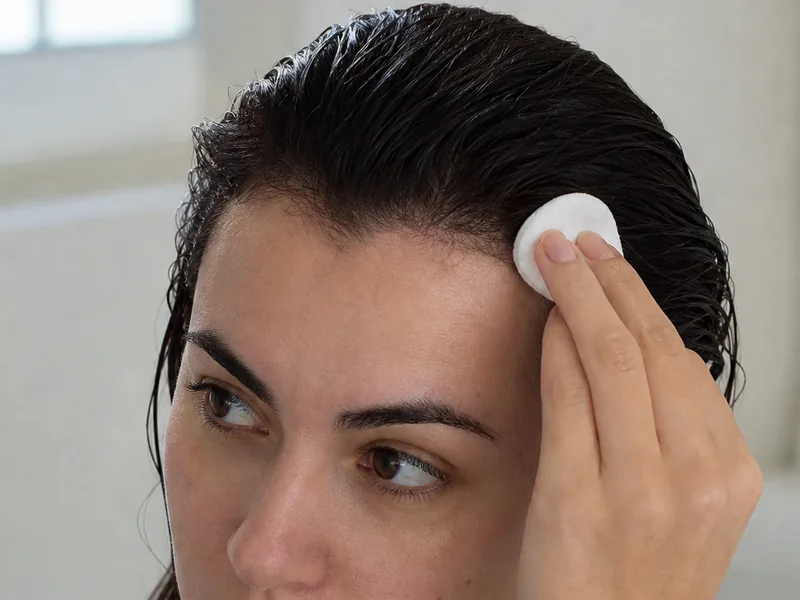
At-home toning works best on hair that is already evenly lifted to level 8-10, with yellow or light brass as the only problem. The method below is for a demi-permanent toner mixed with developer; toning shampoos and masks only need the instructions on the bottle.
- Patch test 48 hours before. Toner is demi color, so patch test 48 hours before every permanent or demi service, even with a toner you have used before.
- Read the level and the warmth. On dry hair in daylight, find the level and unwanted tone at the brassiest spot and pick the toner from the table above. Wet hair misleads: it reads darker and warmer.
- Strand test. Tone a hidden section first and time it. If it goes lilac or gray within minutes, the ends need less time in the full application.
- Prep the hair. Shampoo without conditioner and towel-dry until damp, not dripping, unless the instructions call for dry hair. Water left in the hair dilutes the toner unevenly.
- Mix exactly. Measure the developer volume and ratio printed in the instructions, not by eye. Extra developer dilutes the toner rather than speeding it up.
- Apply warmest areas first. Saturate the brassiest zone, often the root area or the section above the ears, then the mid-lengths, and the most lightened ends last, so the porous parts get the least time.
- Time by eye within the limit. Rinse as soon as the yellow is neutral, and never pass the maximum time in the instructions, usually 5-20 minutes. Leaving it on "a bit longer" for a cooler result is the classic error.
- Rinse cool and condition. Rinse until the water runs clear, condition, and wait 48-72 hours before the first shampoo so the deposit can settle.
Watch out: Many toners contain the same dye precursors as other oxidative color. Hair dye is the most frequent route of sensitization to para-phenylenediamine (PPD), a common contact allergen, and about half of PPD-allergic patients in that dermatology series also reacted to a related dye compound. Itching, burning or swelling during or after toning means rinse at once; blistering, weeping or facial swelling needs a doctor.
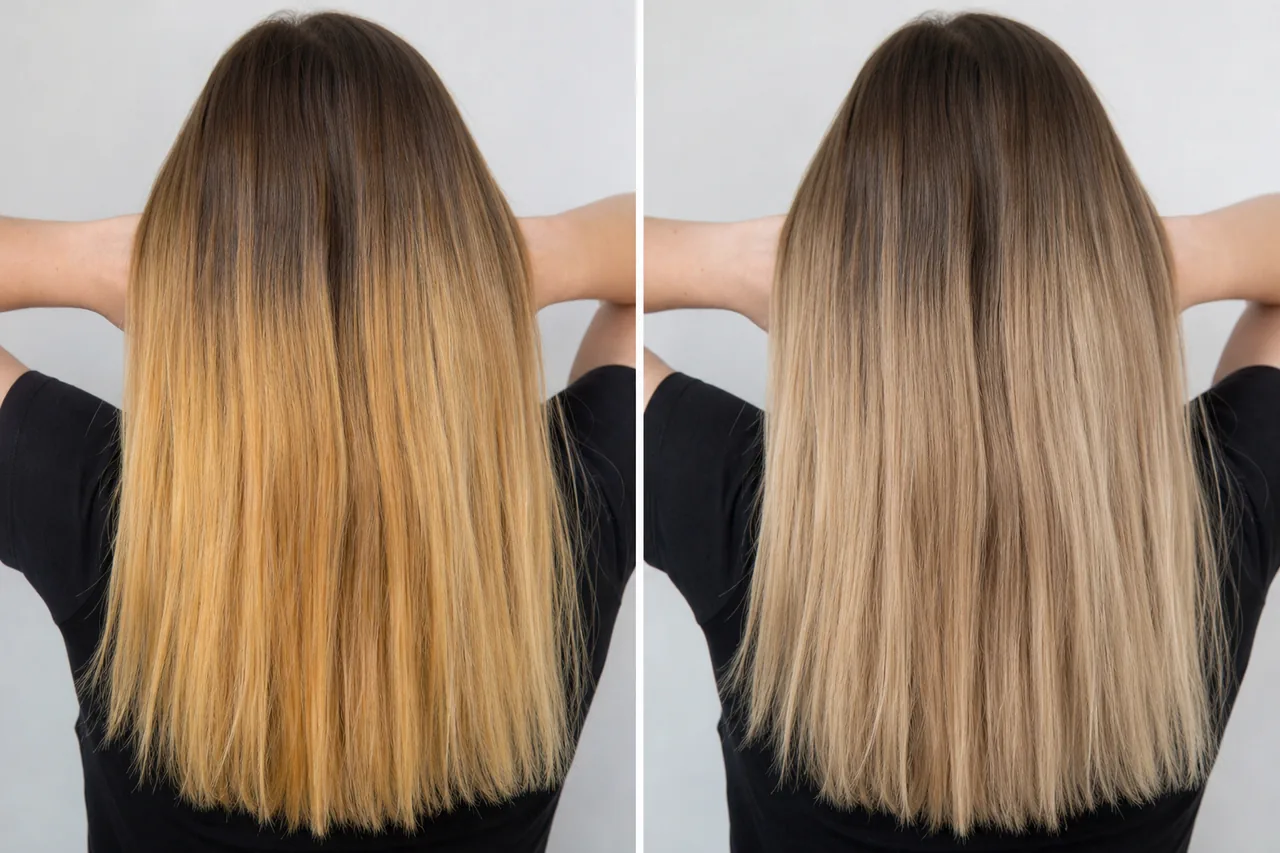
Toning at Home vs in a Salon
Toning at home is reasonable for refreshing a tone you already have; correcting a tone you don't understand belongs in a salon. The line runs through how even the lift is and how far the hair is from its target.
Home toning suits even level 9-10 blonde going yellow, level 8 blonde with mild gold, and brunettes refreshing a gloss. A salon earns its fee when the lift is uneven, with orange roots and yellow ends (called banding), when level 5-7 orange is meant to become a cool blonde, when the lengths hold box dye or henna, or when hair has turned green or gray and needs a counter-tone. Salon toning is often added to a lightening service, and cost varies by city and salon.
Salon note: On hair lightened many times, colorists often cut the ends' portion of the toner with clear gloss, or pull toner through the ends only for the last few minutes, so the porous ends take no more pigment than the newer hair near the root.
How Long Toner Lasts
Toner lasts about 4-8 weeks, and it fades gradually back toward the warmth underneath rather than washing out at once. Pale blonde drifts yellow, lightened brunette drifts orange, and the most lightened ends usually turn first.
Washing is the main clock: daily shampooing puts hair at the short end of that range, twice a week at the long end. Hot water, clarifying shampoo, chlorine and strong sun shorten it. Very porous hair can lose toner in two or three weeks however it is washed. Purple or blue shampoo once or twice a week stretches the interval; the real fix is the next toner.
Common Hair Toning Mistakes
Most failed toning comes from the wrong toner for the level, too much time, hair too damaged to hold color evenly, or uneven lift underneath. Each leaves a recognizable result, which points to the fix.
The Wrong Toner for the Level Muddies the Color
A violet toner on level 6-7 orange does not cancel it; the two combine into a dull brown-bronze. Start every choice from the level the hair is actually at, read at the brassiest section, not the lightest.
Extra Minutes Add Pigment, Not Coolness
Once the warmth is neutral, the toner keeps depositing its own color. Violet past that point shows as lilac, blue as slate or teal, and green-based toners as khaki. The neutral moment can arrive in two minutes on very light, porous hair, long before the maximum time on the instructions.
Over-Processed Ends Hold Toner Unevenly
Repeated lightening strips the cuticle and leaves the hair riddled with gaps: an electron-microscopy study of excessively bleached hair found the cuticle lifted away from the cortex and pores where melanin had dissolved. In practice, ends in that state soak up toner fast, go too cool or too dark, then lose it within a few washes. A protein-rich conditioner or porosity-equalizing spray before toning, and less time on the ends, evens the result.
Toner Shows Uneven Lift Instead of Hiding It
Toner is translucent, so it keeps the light and dark patches it lands on. Orange patches next to yellow ones stay a step apart after toning: one comes out neutral, the other cool or gray. Even the lift first, then tone.
Myths About Toner and What It Can't Fix
Toner is a finishing step with clear limits, and most toner disappointments come from asking it to do lightener's job. These beliefs are the usual source.
Myth: Toner Will Take Orange Hair to Icy Blonde
Reality: Toner makes orange hair neutral at its current level, so level 6 orange becomes a level 6 bronde. Icy or platinum blonde needs lightening to level 9-10 first, then a violet toner.
Myth: Purple Shampoo Is a Toner
Reality: It is a light, temporary top-up of violet. It can hold a toned level 9-10 blonde for weeks, but it can't set the tone after bleaching or correct brass at level 7-8.
Myth: Toner Covers Gray
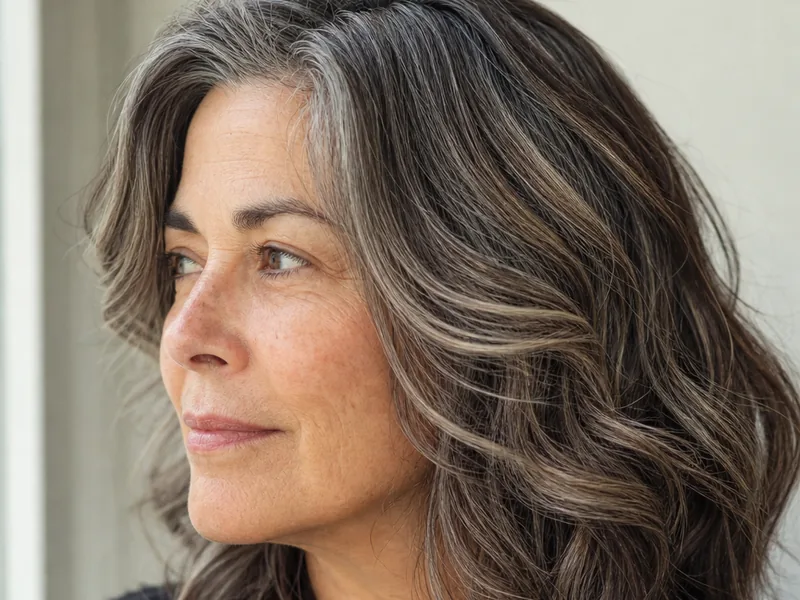
Reality: A sheer toner may soften or tint gray, but it is not formulated for coverage. On silver and white hair a violet gloss clears yellowing; full coverage takes a permanent shade with neutral base in the formula, while demi color blends rather than covers.
Hair toner is a finishing tool: it perfects the tone of hair that has already reached the right level and cannot replace the lift it is missing. Before buying or booking one, check your level and the warmth at the brassiest section in daylight, match them to the table above, and patch test 48 hours ahead.
Frequently Asked Questions
How long should you leave toner on your hair?
Leave toner on only until the unwanted warmth looks neutral, and never past the maximum time in the instructions, which is usually 5 to 20 minutes. Very light or porous hair can be done in a few minutes, while level 7-8 brass usually needs longer. Check a strand every couple of minutes and rinse as soon as the yellow or orange is gone.
Can you use toner on hair that hasn't been bleached?
Yes, but it changes the reflect rather than the shade. On natural brown hair, a green- or blue-based gloss can soften red or orange glints and add shine, and a natural dark blonde can be cooled slightly. It will not make dark hair lighter or turn unlightened hair ash blonde, because toner has no lifting power.
Does toner damage your hair?
Toner is one of the gentler color services, but demi-permanent toners still use a low-volume developer, so it is not completely damage-free. The bigger risk on fragile hair is uneven absorption rather than breakage. Toners also contain dye ingredients that can trigger allergy, so patch test 48 hours before, even if you have toned before.
Do you put toner on wet or dry hair?
Most demi-permanent toners go on damp, towel-dried hair, which helps them spread evenly and process gently. Some formulas are designed for dry hair to give a stronger deposit, so follow the instructions for the product type you are using. Avoid soaking wet hair, because the extra water dilutes the toner and leaves patches.
How soon can you tone your hair again?
If the first toner did too little, you can usually re-tone after a few days once the hair has been washed and dried, as long as the scalp is not irritated. For routine upkeep, toner is reapplied every 4-8 weeks as it fades. Toning weekly builds uneven color on the ends, so use purple or blue shampoo between toners instead.
How do you fix hair that turned purple after toner?
Wait and wash first: a lilac or gray cast from toner usually fades noticeably within a few shampoos. A clarifying shampoo used once or twice speeds that up. If the hair is still too violet after a week, a pale gold gloss can bring it back to neutral. Avoid more lightening to remove toner, since the hair is already fragile.
Can toner fix orange hair after box dye?
Only partly. A blue-based toner can make box-dye orange look more neutral at the same level, but it cannot lighten the dye or take orange hair to a cool blonde. Box dye also lifts unevenly, so toner often leaves bands. For a lighter or cooler result, a colorist usually needs a color remover or lightener, after a strand test.
General information, not medical advice. Patch test 48 hours before any permanent or demi-permanent color. Brand-neutral: we name no products and take no payment for mentions. Disclaimer · How we write our guides