Short version: The gentlest answer to how to get hair dye off skin is to massage makeup remover, cleansing oil or petroleum jelly into the stain, leave it 5-10 minutes, then wash with a mild cleanser and lukewarm water. One or two rounds clear most fresh stains on the hairline, ears and face. Hands and nails can take firmer options, such as a baking soda paste or nail polish remover on the nail itself. Keep anything harsh away from the eyes and broken skin, and treat redness, itching or swelling as a possible reaction, not a stain.
What You Need Before You Start
Everything that works on a dye stain is already in most bathrooms, and the gentle items do the bulk of the work. Gather them first: a stain treated within minutes lifts far more easily than one found after rinsing.
- Cotton pads or an old soft washcloth
- Makeup remover, micellar water or a cleansing oil
- Petroleum jelly, or olive, coconut or baby oil
- A mild, fragrance-free cleanser
- Baking soda and a soft toothbrush, for hands and nails only
- Rubbing alcohol and acetone remover, as last resorts
- A plain moisturizer
How to Get Hair Dye Off Skin, Method by Method
Start with the gentlest method and only step up if the stain hasn't moved after two rounds. Abrasives and solvents work faster but strip the skin's own oils, so they belong on hands and nails, not the face.
| Method | Works on | Gentleness | Time | Don't use |
|---|---|---|---|---|
| Mild cleanser and lukewarm water | Any fresh stain | Very gentle | 1-2 minutes, repeat | No limit; first step everywhere |
| Makeup remover or micellar water on a pad | Hairline, face, ears, neck | Very gentle | Hold 30 seconds, then wipe | Inside the eye |
| Cleansing oil, plain oil or petroleum jelly | Hairline, face, ears, neck, hands | Gentle | Massage 1-2 minutes, leave 5-10 | On acne-prone skin, leave it on briefly and wash off well |
| Hand soap or dish soap lather | Hands | Moderate; drying | 1-2 minutes | Face |
| Baking soda mixed with a little cleanser | Hands, knuckles, cuticles | Abrasive | 30-60 seconds of light rubbing | Face, eyelids, broken or irritated skin |
| Plain toothpaste (not gel, not whitening) | Hands | Mildly abrasive; can sting | 1 minute | Face, especially around the mouth and eyes |
| Rubbing alcohol or alcohol hand sanitizer, dabbed | Hands; small spots on intact skin at the hairline | Harsh; drying | Under 30 seconds, then rinse | Near the eyes, on broken, red or itchy skin |
| Acetone nail polish remover | The nail plate | Harsh on skin | A few swipes | Face and general skin |
| Purpose-made hair color stain remover | Hairline, ears, neck | Varies by formula | As the label says | Anywhere the label excludes; patch test it if your skin is reactive |
| Waiting it out with normal washing | Any stain | Gentlest of all | Usually a few days, sometimes about a week | No limit |
| Bleach, household cleaners, hydrogen peroxide, leftover developer, scouring pads | Nothing | Can burn or abrade skin | None | Never use on skin |
Watch out: Rubbing a stain until the skin turns pink removes skin along with the dye, and raw skin can grab more color and stings at the next wash. Two gentle rounds and a pause beat ten minutes of scrubbing.
Why a Fresh Stain Comes Off and a Set One Doesn't
Permanent and demi-permanent dye is still developing while it sits on your skin. They start as small, colorless precursors that oxidize into large colored molecules once mixed with developer, a reaction described in a 2023 review of how dyeing affects hair and scalp. A smear wiped off in the first minute or two often leaves only a faint tint. Left for the whole processing time, the same smear can darken into a brown mark that soap barely touches.
Once set, the stain sits in the outermost layer of skin, the dead surface cells that shed continually. Normal washing carries it away as those cells flake off, which is why even a stubborn mark fades on its own. Every method above simply speeds that shedding up without harming the living skin beneath.
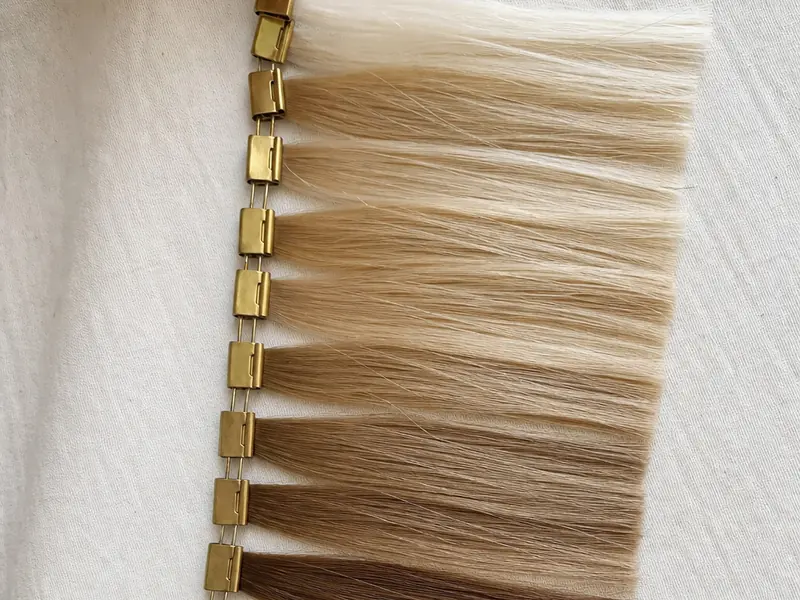
Depth matters too. Black and darkest brown shades at levels 1-2 and dark brown at level 3 carry the most dye, so they leave the most visible marks, especially on fair skin. Light blonde at level 8 and lighter stains only faintly.
Vivid Semi-Permanent Dye Stains Faster but Lifts More Easily
Semi-permanent vivid colors, such as bright blue, purple, green and pink, are direct dyes: the pigment is already fully colored in the tub, with no developer involved. They mark skin the instant they touch it, and blue and green can tint hands for days. Fresh, they lift well with oil, makeup remover and soap; set blues and greens can take several washes. Keep gloves on through the rinse, since the water carries them too.
Removing Dye From the Hairline, Forehead and Ears
On the face, use only cleansers, oils and removers, and stop as soon as the skin looks pink. Facial skin is thinner than the skin on your hands, and the hairline is also where a dye reaction would show, so solvents there make it harder to tell irritation from allergy.
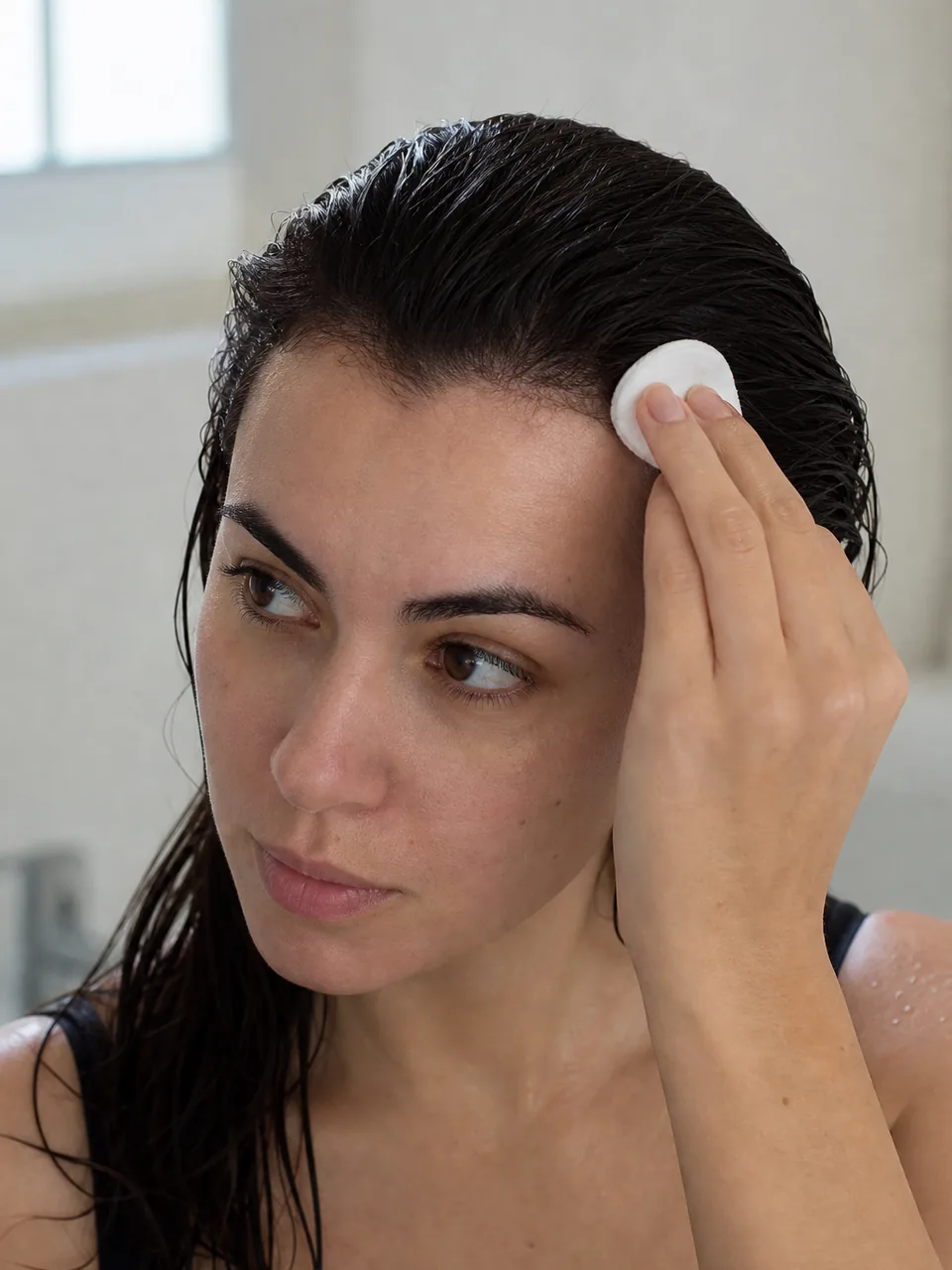
- Wipe while the dye is wet. Run a pad soaked in makeup remover along the hairline as soon as the front section is applied, then again before rinsing. The common mistake is waiting until the hair is rinsed.
- Massage in oil or petroleum jelly. After rinsing, work a thin layer into the stain with a fingertip for a minute or two and leave it for 5-10 minutes. Oil loosens surface pigment; rubbing harder doesn't make it work faster.
- Wash with a mild cleanser. Lather with lukewarm water, rinse and pat dry. Hot water and a rough cloth redden skin without lifting more color.
- Repeat once if needed. A second round of oil and cleanser usually takes a fresh stain down to a shadow. If a mark remains, a purpose-made stain remover used as directed is the next step.
- Dab alcohol only on small spots. On unbroken skin well away from the eyes, a cotton swab of rubbing alcohol can lift a stubborn dot. Rinse within 30 seconds and moisturize. Skip this step entirely on red, itchy or irritated skin.
- Cover what's left and let it fade. Concealer hides a faint line, and normal washing does the rest over a few days.
Dye on the scalp needs no treatment at all. It fades with ordinary shampooing over the following washes, and scrubbing the scalp with alcohol or baking soda only irritates skin that has just been through a color service. If dye gets into an eye, rinse it with plenty of lukewarm water right away and get medical advice if it stays sore or red.
Salon note: Colorists usually clean the hairline twice: once right after the front sections are applied and again at the basin. At the basin, a little of the leftover color lather massaged over the stained skin before the final rinse often lifts the mark, because fresh dye dissolves more of the set stain.
Getting Dye Off Hands and Knuckles
Hands tolerate firmer methods, so work from soap to oil to a baking soda paste. The stain collects in knuckle creases, around the nails and on the sides of the fingers, where skin is rougher and holds more pigment.
- Lather and rinse twice. Soap and warm water remove most fresh dye; one quick rinse only spreads it.
- Oil the creases. Massage oil or petroleum jelly into the knuckles and cuticles, wait 5 minutes and wash again with soap.
- Use a baking soda paste on what's left. Mix a teaspoon of baking soda with a few drops of cleanser and rub lightly for 30-60 seconds. Stop sooner on any cut or hangnail, because the paste stings and roughens broken skin.
- Use alcohol last. Rubbing alcohol or alcohol hand sanitizer on a pad lifts the final traces. Rinse and moisturize, since alcohol dries skin fast.
Clearing Stains From Nails and Cuticles
Nails are the one place where nail polish remover belongs, because the nail plate is hard keratin, not living skin, and dye clings to its ridges. Cuticles are skin, so treat them like the backs of your hands.
- Scrub with soap and a soft toothbrush. Brush across and under the free edge of each nail. Dye under the tip clears faster this way than with any solvent.
- Brush on baking soda paste. Use the toothbrush to work the paste over the nail surface and into the cuticle line, then rinse.
- Swipe acetone over the nail plate. A pad of acetone remover takes dye out of surface ridges. Keep it on the nail rather than the surrounding skin, and moisturize the cuticles afterward.
- Leave deep stains to grow out. Color that stays after these steps has soaked into the nail itself. Repeated buffing thins the nail, so a single light pass is the limit; dark polish covers the rest while it grows out.
Preventing Hair Dye Stains Next Time
A barrier on the skin, gloves and wiping as you go prevent most stains before they start. It matters most with dark shades at levels 1-3 and vivid semi-permanent colors.
- Apply petroleum jelly or a barrier cream with a fingertip along the hairline, the tops and backs of the ears and the nape, on skin only.
- Wear nitrile or vinyl gloves for mixing, applying and rinsing; thin kit gloves tear easily, so keep a spare pair.
- Keep a damp pad with makeup remover beside you and wipe any drip within a minute or two.
- Apply around the hairline with a small brush instead of squeezing straight from the bottle.
- Do a patch test 48 hours before every permanent or demi-permanent dye, even with a shade you have used before.
Salon note: Barrier cream that slides onto the hair at the hairline blocks color there too, which shows as a pale halo of uncovered gray or untinted baby hairs along the face. Colorists keep the barrier just below the hairline and apply it before the hair is sectioned, so the front hairs stay clean.
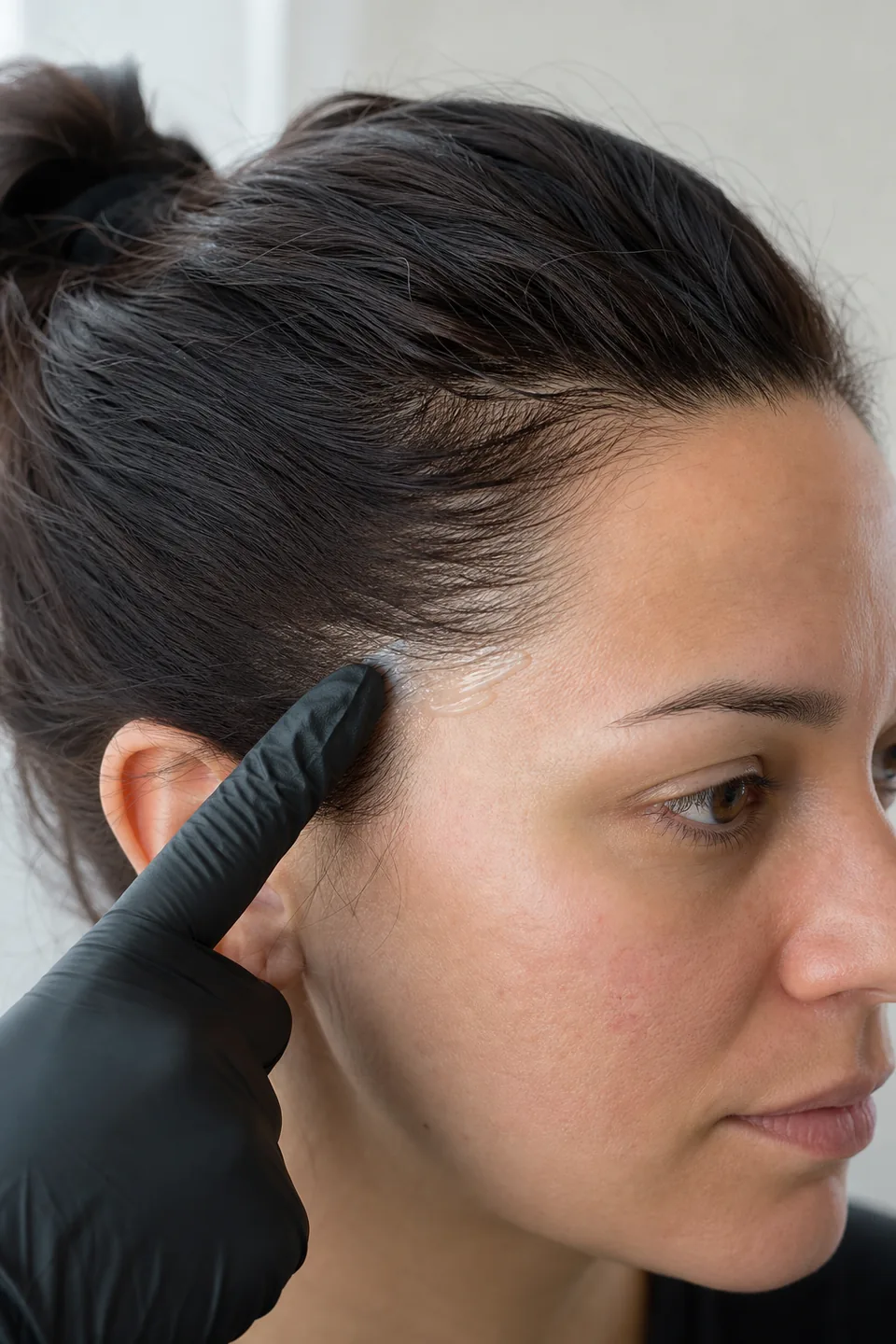
When It's Not a Stain: Signs of a Reaction
A dye stain is flat, painless and the same color as the dye; a reaction is red, itchy, sore, swollen or blistered. The NHS guidance on hair dye reactions lists stinging or burning, an itchy rash, dryness or soreness and blisters as typical signs, notes that a rash on darker skin can look brown, purple or gray, and that symptoms can take up to 72 hours to appear. A brown "stain" that itches or spreads beyond where dye touched is worth a second look.
Permanent dyes are the usual cause. Hair dye is the most frequent route of sensitization to para-phenylenediamine (PPD), a common contact allergen, according to a dermatology clinic study of PPD allergy, and the same study found about half of PPD-allergic patients also reacted to the related dye ingredient PTD. A past black henna tattoo raises the risk: a review of black henna tattoo side effects found these tattoos can sensitize people to PPD, who may then react to PPD hair dyes.
- Redness, itching or burning along the hairline, ears, neck or eyelids: stop all removal methods, since alcohol, scrubbing and baking soda irritate inflamed skin further. Wash the hair and scalp with a mild shampoo and lukewarm water, don't dye again, and ask a pharmacist or doctor about treatment.
- Swelling of the face or eyelids, blisters or weeping skin: see a doctor the same day. A dermatologist can patch test to identify the ingredient involved.
- Swelling of the lips, mouth, tongue or throat, or trouble breathing: call emergency services.
- A reaction after a past one, or after a black henna tattoo: skip PPD and PTD dyes until a dermatologist advises on alternatives, since the PPD study above found a high risk of new allergy to other dye ingredients, especially PTD.
Watch out: Having used a dye without trouble before is no guarantee for next time, which is why the standard advice is a patch test 48 hours before every permanent or demi-permanent service.
For how to get hair dye off skin, oil or makeup remover, a few minutes of patience and a mild cleanser do most of the work, with firmer methods saved for hands and nails. Before the next color, set out cotton pads, remover and petroleum jelly so drips come off while still wet, and book the 48-hour patch test now.
Frequently Asked Questions
How long does hair dye stay on your skin?
Most stains fade within a few days of normal washing, and stubborn ones within about a week, because the dye sits in the outermost layer of skin that sheds on its own. Dark permanent shades last longest. Stains on hands and around nails fade faster with handwashing, while nail stains may need to grow out.
Does toothpaste get hair dye off skin?
Plain white toothpaste can help on hands because it is mildly abrasive, but it is a poor choice for the face. Whitening and mint formulas can sting and irritate the hairline and the skin around the eyes and mouth. On the face, oil, makeup remover and a mild cleanser work as well with less risk of redness.
Does rubbing alcohol remove hair dye from skin?
Yes, rubbing alcohol lifts many dye stains, but it dries and irritates skin, so it is a last resort. Use it on hands or as a quick dab on a small spot of unbroken skin at the hairline, away from the eyes. Rinse it off within about 30 seconds and moisturize. Never use it on red, itchy or broken skin.
Will hair dye on the scalp wash out?
Yes. Dye on the scalp fades with ordinary shampooing over the next few washes and needs no special treatment. Avoid scrubbing the scalp with alcohol, baking soda or a stiff brush right after coloring, since the skin is already stressed. Itching, burning or a rash on the scalp is different and may signal a reaction.
Can you use makeup wipes to get hair dye off your face?
Yes, makeup wipes and micellar water work well on fresh dye, especially if you wipe the hairline before the color has finished processing. On set stains they work better after a few minutes of oil or petroleum jelly loosens the pigment. Wipe gently; dragging a wipe back and forth reddens the skin without lifting more color.
Is it bad to leave hair dye on your skin?
A small stain left to fade is harmless for most people and simply wears off. Large areas of wet dye left on the skin for the full processing time raise the exposure to dye ingredients, so wipe drips off while they are wet. Redness, itching, swelling or blistering means a reaction, not a stain, and needs medical advice.
General information, not medical advice. Patch test 48 hours before any permanent or demi-permanent color. Brand-neutral: we name no products and take no payment for mentions. Disclaimer · How we write our guides